


Vietnam to begin replanting process
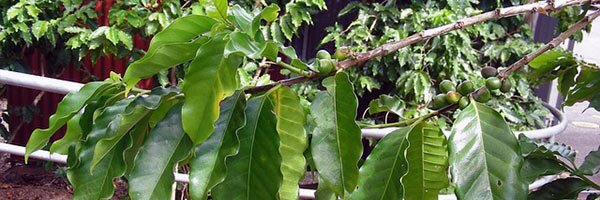
Plans are afoot in Vietnam to uproot nearly 100 million coffee trees as part of a replanting initiative. It is a process that will not only limit the amount of coffee that the country can grow, but it will also impact export income over the course of the next few years.
The decision comes at a time when Brazil, the global leader, is in the midst of a problematic harvest caused by a prolonged period of drought that has ravaged plantations in a number of growing regions.
“We are planning to undergo a long-term process of replacing old coffee trees, and this, together with the current dry weather conditions, will hurt coffee output,” said Nguyen Viet Vinh, the general secretary of the Vietnam Coffee-Cocoa Association, to the Wall Street Journal.
Some might argue that the timing is wrong, but conversely, with a global shortage the timing to start planning and protecting the long-term future of coffee plantations and the industry should be of paramount importance. Any short-term profits that could be accrued now, could very easily be lost further on down the line and such making a proactive move now without letting the market influence the decision should be applauded.
Vietnamese robusta output for the 2014-15 crop year is expected to drop as a result of the plans, with the Vietnam Coffee-Cocoa Association forecasting a 15-20% decrease on current levels.
With the global markets reacting to the adverse weather conditions that have caused shortages in Central and South America, coffee prices have skyrocketed upwards in recent weeks and, for many, it would be easy to maintain stasis. But there are problems that need rectifying.
The average age of the coffee trees are getting too high, so says Luong Van Tu, the chairman of the Vietnamese association. Trees that have been exposed to over two decades worth of harvests are likely to average around one ton of beans per hectare. That number is remarkably low when compared to much younger trees that can yield 150% more crop for farmers and exporters.
Vietnam themselves have not been in a privileged position in regards to inclement weather conditions. Instead of dry spells and drought, the Asian nation has been experiencing a cold, dry snap which has caused problems for the industry.
As well as the reduced crop levels from older trees, the elder members of the plantations are also more susceptible to diseases and stresses associated with inclement weather patterns, patterns of which could be cyclic in the coming years according to meteorologists.
A period of (relative) short-term pain will undoubtedly lead to a long-term gain. Taking around ten years to complete the plans will, it is said, cement Vietnam’s place within the coffee industry.


[…] If the forecasts turn out to be true then it will mark an incredibly short turnaround in the country’s fortunes after they adopted a number of preventative measures earlier on this year. […]