


Indian court allows Starbucks’ syrups a safe passage
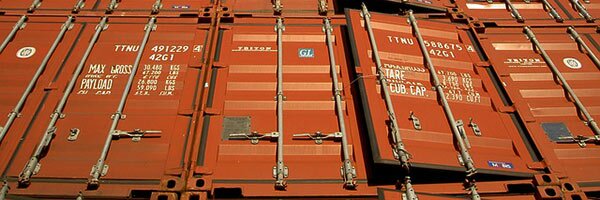
It turns out that Starbucks’ Indian operations were left short of syrup after a consignment, shipped over from the United States, had been blocked by the local authorities for breaching potentially breaching minimum requirements set out under the Food Safety and Standards Regulations imposed in 2011.
However the high court in Bombay overturned the original decision and has since directed the customs department based at the port of Nhava Sheva to release the items. The shipment had been contained in isolation since February.
According to reports, it is to be believed that the syrups were originally held as authorities believed them not to be a registered food, something which representatives for Starbucks successfully disputed.
Speaking on behalf of port authorities Mohammed Pracha argued that the regulations were “formed to avoid [the] dumping of sub-standard goods into India” which could cause “a health hazard to the public.”
Starbucks noted that they had begun importing these products in 2012, a year after the new bill was introduced, and that no problems had arisen until earlier this year – and that as an additive in a flavoured beverage, the regulations need not apply anyway.
In the final order, the judges stated that the port authorities had “acted in an arbitrary and capricious manner” in detaining the goods.
According to the Economic Times of India, the Food Safety and Standards Authority of India (FSSAI) has been cracking down on imported food, blocking a large delivery of branded chocolate last year. The snacks, purported to include items made by Mars and Lindt amongst others, were held on the grounds that they did not have Indian specific labelling. Importers had simply pasted on the relevant sections, allowing the authorities to allege that they were not mean, or designed, to be sold in India.
Starbucks is operating in India as part of a joint venture with Tata Global Beverages. Together they operate 43 cafes in major Indian cities and are looking to tackle what has been a troublesome market for outside coffee chains and reap the economic rewards that the emerging nation offers.
image: tpsdave (pixabay)


Comments ( 0 )
Leave a Reply