


Strong Jump in Indian Coffee Exports for 2010

India’s coffee output is reported to have risen by 56 per cent in 2010, according to data recently revealed by the country’s Coffee Board.
As Asia’s primary exporter of coffee, particularly the Robusta variety, India is said to have exported 2.04 lakh tonnes of coffee in the fiscal 2009-10 period, up from 1.96 lakh tonnes during the previous 2008-09 year. On a January to December basis, production in the country is reported to have reached 3.08 lakh tonnes in 2010, compared with 2.89 lakh tonnes in 2009.
Strong domestic production as well as improved pricing on the international market are said to have been the main drivers for the increased performance of Indian coffee exports in 2010. With Italy, Germany and Russia representing the country’s main export markets and together accounting for over 40 per cent of India’s coffee export volume, the Coffee Board has been encouraging exporters to look beyond the usual export areas of America and Japan, to leverage new opportunities a further increase in crop might afford. Other markets already served by Indian coffee exports include Belgium, Spain, Croatia, Slovenia, Jordan and Egypt.
While normal coffee exports alone registered growth of an impressive 62.5 per cent to 2.47 lakh tonnes in 2010, compared to the previous year’s volume, re-exports of coffee also fared well, rising by almost 30 per cent to 45,430 tonnes in 2010. In value terms and as revealed by the Coffee Board, Indian coffee exports reached Rs 3,022 crore during the year, up from the Rs 2,005 crore registered in 2009.
Strong Growth for Indian Coffee Exports in 2010

As has been revealed through data released by the state-run Coffee Board of India, the country’s coffee exports registered 56 per cent volume growth for the first eight months of the year, to 204,519 tonnes.
Compared with the 130,672 tonnes exported during the same period of the previous year, 2010 has so far proven a particularly good year for the Indian coffee growing business, driven by increasing demand from India’s key European export markets, such as Italy, Russia and Germany (all up by around 20 per cent in respect to their demand), according to reports.
Looking at India’s coffee exports in terms of value, the market experienced 48 per cent growth here, rising to Rs2,075 crore during the January-August review period, by comparison with the market’s Rs1,400 crore export value for the same timeframe in 2009.
With reference to particular coffee types, exports of the robusta variety – the country’s mainstay and most often blended with Arabica coffee as a less costly alternative or sold in instant format – grew by 54 per cent to 112,027 tonnes whereas Arabica coffee – usually used in premium coffees, accounting for around a quarter of the country’s total coffee output, witnessed a 66 per cent increase in overall volume to 39,077 tonnes for the period.
According to coffee industry exports, India is expected to experience further increases in its export growth in the forthcoming crop year (October-September) based on higher expectations in terms of coffee production.
Strong start to the year for Indian coffee exporters
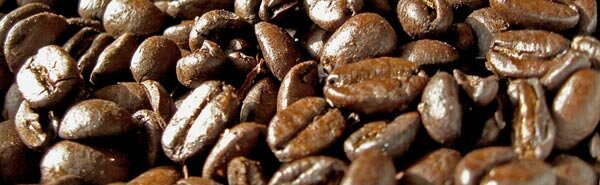
Output from Asia’s third largest coffee exporter, India, is said to have increased by 50% for the first five months of year compared with the same period in 2009.
The boost in growth is attributed to a resurgence in demand within the most significant markets, according to India’s national Coffee Board.
Tata Coffee and its domestic rivals, the former of which positions itself as the world’s largest integrated coffee plantation company, have together supplied 129,815 tonnes of coffee since the start of the year. This is in comparison to 86,654 tonnes for the same review period in 2009, according to the Coffee Board deputy director, NV Nagarajaiah. In his press communication, he added that the country’s coffee export market has climbed 42 per cent to $275 million.
It appears that the Indian coffee industry is relying on the European market, which imports some 75 per cent of the country’s total national coffee output, in sustaining the surge in growth. Within Europe, Italy, Germany and Spain – all with a strong coffee culture – are the largest importers of India’s green coffee.
Most of the country’s coffee is produced in the southern states of Karanataka, Tamil Nadu and Kerala. It is usually wet-processed and said to be smooth, sweet and medium-bodied. Coffee collected during the monsoon season is heavier and, as such, best suited to espresso blends.
The Coffee Board of India is an autonomous organisation that operates under the governmental Ministry of Commerce and Industry and offers a range of services to coffee producers and exporters.
Indian coffee-sellers’ delight at European loan plan to revive orders

It is hoped that the European package, worth $962 billion, will revive the Indian coffee industry following a recent slump in orders coming from the continent.
The news is excellent for Indian farmers as Europe alone purchases over 75 per cent of the nation’s output. India is Asia’s third largest coffee producer after Vietnam and Indonesia.
Rajah, president of the Coffee Exporters’ Association of India, said in an interview “We really hope the loan package will solve the problem the buyers in Europe were facing…we were very worried.”
A rise orders from the continent will go a long way to helping India, to sustain a 37 per cent growth in export figures in the year that began October 1st.
Orders for the crop had dropped in recent months, with growing concerns as to the economic stability of the Euro as it dipped to a 14-month low against the dollar. However, the news from EU policy makers in Brussels of a loan package worth almost $1 trillion should serve to enhance the value of the currency.
Rajah said that the slowdown “seems to be deeper than most people thought initially and we only hope the package leads to a sustained recovery in Europe and not a relapse into recession.”
The largest importer of Indian coffee, Italy, purchased just over 30,000 tons in the period between January and May, whilst Germany purchased around 10,000 tons and Spain 2,750 tons, according to the Coffee Board.