


Vietnamese coffee production set to drop
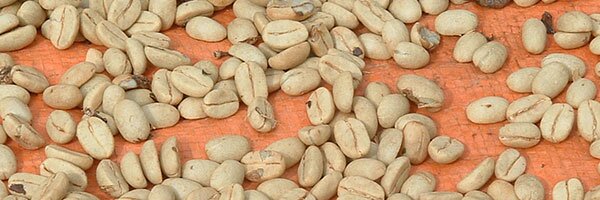
The amount of coffee set to be cultivated and transported to market is set to drop in Vietnam over the course of the coming year.
Vietnam – the largest producer of robusta in the world, and one of the global giants in the coffee industry – is set to record a drop of around 4%, according to estimates gathered from a number of Bloomberg analysts.
Prices for robusta rose by 10% on speculation that demand will outstrip supply later on this year, with a shortfall of 96,000 tons predicted by Volcafe. An impending El Nino weather system is also expected to contribute to an increased valuation later on down the line.
The forecasted heat wave will arrive some time after a prolonged cold snap,which has also tempered expectations within the country.
“The weather this year does seem a bit harsher with rains arriving later than usual,” said Pham Viet Dai, a coffee farmer based in the Central region of Dak Lak. At this stage of the year, he says, “the fruits look nice and are of a similar size to the previous year,” but the farmer goes on to estimate that his crop will fall by around 6%.
Plants in the Asian nation are, according to traders, somewhat exhausted after a couple of bumbler crops and the new plantations that have been planned are not ready to produce a substantial yield in the immediate future.
This month Vietnam has been predicted to export somewhere in the region of 2 million to 2.8 million bags, which represent the lower end of estimates made last month.
As noted previously on World Coffee Press, part of Vietnam’s decline in production levels is self-inflicted. “We are planning to undergo a long-term process of replacing old coffee trees, and this, together with the current dry weather conditions, will hurt coffee output,” admitted Nguyen Viet Vinh, the general secretary of the local Coffee-Cocoa Association (VICOFA) a couple of weeks ago.
The benefits from this process might not be noticeable immediately, but in the longer-term Vietnam will be operating of secure foundations.
picture: Oso (Flickr, used under CC)


Comments ( 0 )
Leave a Reply